Pumpkin Scary Costume Halloween: A Designer's Real-World Review
As someone who has spent years reviewing embroidery files for everything from boutique branding to custom holiday gifts, I approach every new download with a mix of excitement and skepticism. You never know if a design will translate beautifully from the screen to the fabric until you actually stitch it out. Today, I am evaluating Pumpkin Scary Costume Halloween, a graphic file marketed for use with major design software like Cricut Design Space, Silhouette Studio, Corel Draw, Adobe Illustrator, and Adobe Photoshop. While the description lists these digital tools, my focus is on how this asset performs as an actual machine embroidery design or a source file for creating one.
The First Impression: Mood and Visual Personality
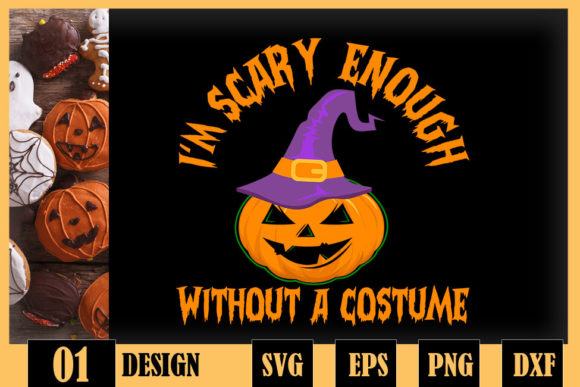
When I first opened the file for Pumpkin Scary Costume Halloween, the immediate feeling was one of playful spookiness. It doesn't lean into the terrifying horror genre; instead, it captures that specific autumnal vibe where "scary" is fun rather than frightening. The shape and layout suggest a character-driven design, likely perfect for adding personality to handmade products. For a designer looking to create a cohesive collection, this piece offers a strong visual anchor. It feels like it belongs in a fall-themed capsule collection alongside matching leaves, ghosts, or cozy sweaters.
The detail level appears balanced. It isn't so intricate that it risks getting lost in the stitching, nor is it so simple that it looks generic. This balance is crucial when you are considering this for custom apparel or small business merchandise. The visual personality suggests a product that customers would want to wear or display, making it a strong candidate for Etsy listings or craft fair booths. However, because the source is listed under Crafts and Graphics, the transition from a vector image to a stitched embroidery project requires careful planning.
Real-Life Scenario: The Boutique Tote Bag Project
To truly test the potential of Pumpkin Scary Costume Halloween, let's imagine a practical scenario. I am preparing a batch of custom embroidered tote bags for a local artisan market. These bags will be sold as holiday gifts and everyday carry items for creative entrepreneurs. My goal is to place the design prominently on the front panel of a canvas bag.
If I were to digitize Pumpkin Scary Costume Halloween for this purpose, I would need to consider how the design sits within the hoop. A tote bag offers a large, flat surface, which is ideal for showcasing the full personality of the pumpkin character. The design would likely look stunning on a natural canvas background, perhaps using cream thread for highlights and deep orange or black for the main body. In this context, the design adds immediate value to the finished product. Customers browsing a booth see a high-quality, professional-looking item, which builds trust in the brand. It transforms a standard canvas bag into a unique handmade product that stands out against mass-produced alternatives.
However, if I were to try this same design on a baby onesie, the scale might need adjustment. What works on a sturdy tote might overwhelm a delicate infant garment if not resized correctly. This highlights why understanding the intended application before stitching is vital for any small shop product.
Performance on Different Fabrics and Garments
When evaluating Pumpkin Scary Costume Halloween for real-world use, the fabric choice is just as important as the design itself. This type of graphic typically relies on clear lines and distinct shapes. On stable fabrics like denim, cotton twill, or felt, the stitch density should hold up well, creating a crisp finished product. The satin stitch areas would provide a nice sheen, catching the light in a way that makes the pumpkin pop.
Conversely, there are situations where caution is required. If you plan to use this on stretchy fabrics like jersey t-shirts or sweatshirts without proper stabilization, the design could pucker or distort. The curves of the pumpkin shape might struggle on a curved surface like a baseball cap unless the digitization accounts for the tension of the hat's crown. Similarly, on textured fabrics like heavy wool or bouclé, fine details might get lost. The design is best suited for smooth surfaces where the thread colors can contrast effectively against the background.
I also had to think about durability. For items like aprons or kitchen towels that will undergo frequent washing, the design needs to be robust. If the file includes tiny decorative accents or thin running stitches, they might snag or fray over time. Ensuring the machine embroidery design has enough fill stitch coverage is key to maintaining the integrity of the embroidered patch or graphic after multiple washes.
Where to Exercise Caution
While Pumpkin Scary Costume Halloween is versatile, there are specific constraints to keep in mind. Small hoop sizes are a common pitfall. If the original graphic contains intricate corners or dense text, trying to force it into a 4x4 hoop often results in a muddy, unclear image. The details simply won't have enough room to breathe.
Dark fabrics present another challenge. Unless you are using a high-density underlay or a white backing, the colors of the pumpkin might appear dull or muddy. Lighter thread colors are essential here to ensure visibility. Additionally, if you are creating commercial embroidery assets, you must verify the licensing terms. Just because a file works in Adobe Illustrator doesn't automatically grant you the right to sell thousands of embroidered shirts featuring that design.
Practical Notes for the Professional Designer
Before committing to a production run, I always recommend a strict testing protocol. Start by digitizing the file and running a test on scrap fabric that matches your final material. Check the hoop size requirements carefully; if the design is too large for your machine's capabilities, you may need to split it or resize it significantly.
Inspect the small details closely. Does the stem of the pumpkin stitch cleanly? Are the eyes of the costume distinct? If the design relies on tiny lettering, test it in black and white mockups first to ensure legibility. Sometimes a design looks great in color but fails in monochrome, which can happen when printing printable mockups for online listings.
Thread selection plays a massive role in the final aesthetic. I advise comparing different thread palettes to see which brings out the best mood. A dark, moody palette might suit a Halloween party shirt, while a bright, cheerful palette might work better for a nursery decor item. Always confirm whether the design is suitable for both personal and commercial projects before listing it on platforms like Etsy. Using a digital embroidery file without the proper license can lead to serious legal issues for your craft business.
Final Thoughts on Value and Appeal
Pumpkin Scary Costume Halloween has the potential to be a standout asset for designers looking to capitalize on the fall season. Its strong visual identity makes it highly recognizable, which is excellent for brand consistency across a line of products. Whether you are making personalized gifts, boutique clothing, or holiday decorations, this design offers a solid foundation for creativity.
Ultimately, the success of this project depends on the execution. By treating the file with respect—checking stabilizers, testing stitch densities, and respecting the limits of the fabric—you can turn a simple graphic into a premium handmade product. For creative entrepreneurs and makers, the key is to understand that the file is just the starting point. The real magic happens when you apply your professional judgment to bring the design to life on the fabric.