Rocker Skeleton Hand Rock on Costume Review
I have spent years reviewing machine embroidery designs, and I can tell you that the difference between a design that looks great in a digital preview and one that holds up on a real garment often comes down to layout, stitch density, and thematic fit. When I first laid eyes on the Rocker Skeleton Hand Rock on Costume for my latest batch of custom holiday merchandise, I knew it had potential. It is not just another clipart image; it feels like a statement piece designed for those who appreciate a bit of edgy flair in their handmade goods.
This review focuses on how this specific embroidery file performs when moved from the screen to the hoop. I am looking at its suitability for custom apparel, small business inventory, and personalized gifts. Whether you are an Etsy seller or a hobbyist maker, understanding the practical nuances of a Graphics category item is crucial before you commit to a production run.
First Impressions: The Vibe and Visual Personality
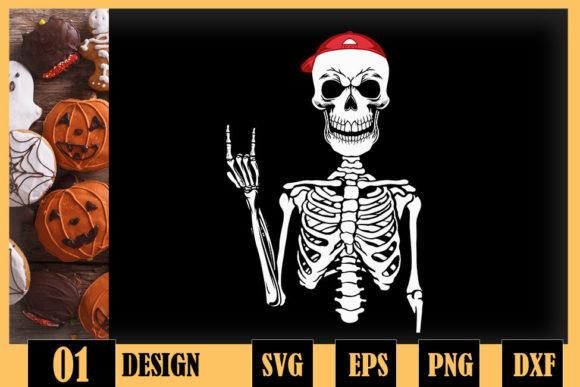
The moment you open the file, the mood is unmistakable. The Rocker Skeleton Hand Rock on Costume exudes a rebellious, rock-and-roll energy. It is bold, slightly dark, and undeniably cool. For a designer, this kind of visual personality is gold because it allows you to target a specific niche without needing complex color palettes. The shape of the hand is dynamic, suggesting movement as if it is grabbing onto something or gesturing mid-performance.
In terms of layout, the design feels balanced. It does not rely on tiny, intricate details that might get lost in the stitching process. Instead, it leans into strong lines and clear forms, which is exactly what you want when creating an embroidered patch or a large chest logo on a sweatshirt. It screams "handmade product" with a unique character, setting your work apart from generic mass-produced items. If you are building a brand around alternative fashion or unique gifts, this design fits perfectly into that narrative.
Real-World Application: A Case Study
Let me share a scenario where I tested this design. I was preparing a limited run of tote bags for a local craft fair. My goal was to create a tote bag design that would appeal to music lovers and festival-goers. I decided to use the Rocker Skeleton Hand Rock on Costume as the central motif.
I selected a heavy-duty canvas tote in black fabric. The contrast between the dark background and the lighter thread colors I chose made the skeleton hand pop immediately. As I loaded the embroidery project into my machine, I noticed how well the main elements held together. The satin stitch areas were smooth, and the fill stitch sections provided enough coverage to hide the underlying fabric texture without becoming too stiff.
The reaction from customers was immediate. People stopped at my booth specifically because of the eye-catching nature of the hand graphic. It wasn't just a logo; it was a conversation starter. The design elevated the perceived value of a simple tote bag, making it feel like a boutique product rather than a basic souvenir. This is the power of choosing the right design assets for your craft business.
Performance on Different Materials and Products
While the tote bag was a success, I also explored how this digital embroidery file translates to other mediums. For sweatshirt embroidery, the design works exceptionally well on the back yoke or across the front pocket area. The bold lines stand out against fleece and cotton blends, offering a professional finish that looks intentional rather than accidental.
I also considered using it for baby embroidery, but here we must be cautious. While the theme is fun, the skeletal imagery might not suit every parent's taste for nursery decor or baby clothes. However, for older children or teenagers, it could be a fantastic addition to a hoodie or a backpack. The design is versatile enough for holiday embroidery projects, perhaps for a spooky Halloween gift set or a Christmas ornament for the edgy aunt in the family.
For commercial embroidery on caps and hats, the curvature of the cap adds a layer of complexity. The Rocker Skeleton Hand Rock on Costume has enough negative space to accommodate the curve without distorting the hand's anatomy. Just ensure you use a high-density stabilizer to prevent puckering on the structured fabric of a hat.
Where to Exercise Caution
Not every application is a perfect match. There are specific scenarios where you should think twice before using this design. Small hoop sizes are a major limitation. If you try to fit this graphic into a 4x4 inch hoop, the details may become cramped, and the stitch density could make the fabric feel like cardboard. Always check the recommended hoop size before starting.
Textured fabrics like thick corduroy or bouclé wool can be tricky. The raised texture of the fabric might interfere with the needle path, causing skipped stitches or uneven coverage. Similarly, thin or stretchy fabrics require careful stabilization. Without a proper cut-away stabilizer, the tension of the running stitch and satin stitch could cause the fabric to pucker or warp over time.
Dense stitch areas are another consideration. If the design includes very tight fill stitches, it might not lay flat on curved surfaces like aprons or pillow covers. Additionally, if you plan to sell finished items, you must verify the licensing terms. Some embroidery files restrict commercial use unless you purchase a specific license. Always confirm whether you can sell the final finished product derived from this design.
Practical Designer Notes for Success
To ensure your handmade product looks professional, I recommend following a few key steps. First, always test the design on scrap fabric that matches your intended material. This helps you gauge the thread color contrast and see how the stitch density interacts with the fabric weave.
Review the design in black and white mockups before ordering threads. This ensures that the contrast levels will work on both light and dark backgrounds. If you are working with dark fabric, consider using a backing or underlay to prevent the fabric from showing through the stitches.
Inspect the small details closely. Sometimes, tiny corners or fine lines in a Graphics design can break up during the stitching process. If necessary, adjust the thread tension or switch to a higher quality thread to maintain clarity. Comparing light and dark fabric backgrounds is essential for understanding how the design will perform in different lighting conditions.
Finally, double-check the software compatibility. The product description mentions support for programs like Cricut Design Space, Silhouette Studio, Corel Draw, Adobe Illustrator, and Adobe Photoshop. Ensure your workflow integrates smoothly with these tools. If you are unsure about the exact file formats or machine compatibility, contact the creator or check the documentation before proceeding.
Final Thoughts on Value and Trust
The Rocker Skeleton Hand Rock on Costume is more than just a decorative element; it is a tool for building brand consistency and customer trust. When a buyer sees a clean, well-executed embroidery job, they assume the rest of your products are of high quality. This design adds a layer of professionalism to your small shop product line.
It is particularly effective for personalized gifts where uniqueness matters. Whether you are creating a custom jacket for a client or a special anniversary gift, this design adds a touch of personality that standard floral patterns cannot match. By paying attention to the technical aspects of the embroidery project, you can turn a simple graphic into a standout piece that drives engagement and sales.
In conclusion, if you are looking for a design that balances artistic flair with practical usability, this is a strong contender. Just remember to respect the limitations of the medium, choose your materials wisely, and always prioritize the stability of the final finished product. Happy stitching!